Kindergarten Crayon: Adding Authentic, Handmade Charm to Modern Design
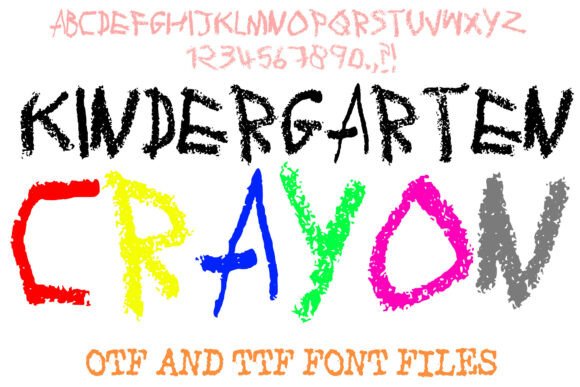
In a digital landscape saturated with sleek vectors and perfect pixels, the raw, tactile feel of a hand-drawn element can be a powerful differentiator. This is where the Kindergarten Crayon font steps in, offering a unique design asset that bridges nostalgic warmth with contemporary visual communication. Meticulously crafted from real crayon strokes, this typeface captures the genuine, grainy wax finish and charming imperfections of a child's writing, providing designers with a tool that feels instantly personal and authentic.
From a professional graphic design perspective, typography is the voice of your visual design. The Kindergarten Crayon font speaks a language of innocence, creativity, and approachability. Its irregular baseline and slightly messy strokes are not flaws; they are features that inject humanity and texture into projects. This makes it an invaluable resource for anyone looking to create designs that feel handmade, nostalgic, or intentionally unrefined, effectively cutting through the noise of overly polished digital content.
Why This Typeface Resonates in Modern Branding
Effective brand identity hinges on emotional connection. The Kindergarten Crayon font excels at building this connection by evoking a sense of playfulness and trust. Its heavy texture and organic scrawl deliver a high-impact look that is both bold and readable, thanks to its thick strokes. For brands aiming to appear friendly, creative, or family-oriented, this typeface becomes a cornerstone of their visual hierarchy, instantly setting a warm and engaging tone that resonates with audiences of all ages.
Practical Applications for Creative Projects
The versatility of this textured font extends far beyond the classroom. Its unique aesthetic can be strategically deployed across various design disciplines to enhance user experience and brand storytelling. Consider its application in:
- Logo Design & Branding: Create memorable logos for toy stores, children's boutiques, family cafes, or creative studios. The font’s personality helps build a distinctive brand identity that feels approachable and fun.
- Marketing & Social Media Graphics: Stand out in crowded feeds with Instagram stories, Facebook ads, or promotional banners that use this font for headlines. Its texture grabs attention and adds a layer of tactile interest to digital marketing campaigns.
- Packaging & Merchandise: Ideal for product packaging, apparel, tote bags, or stationery. The crayon texture suggests a handmade, artisanal quality, adding perceived value and charm to physical goods.
- Editorial & Web Design: Use it sparingly for pull quotes, section headers, or special feature titles in magazines, blogs, or website hero sections. It creates a striking contrast against clean body text, guiding the reader's eye and breaking visual monotony.
Integrating Texture with Professional Polish
While the Kindergarten Crayon font is inherently playful, using it effectively requires thoughtful composition. To maintain a professional presentation, balance its raw texture with cleaner elements. Pair it with a simple, sans-serif font for body copy to ensure readability and establish a clear visual hierarchy. Consider your color palette; the font often looks best with solid, vibrant colors or classic black, mimicking real crayons on paper. Always test its scalability for your intended use, ensuring the intricate grain remains clear whether on a large banner or a small social media icon.
Ultimately, the power of a font like this lies in its ability to tell a story. In UI design, it can make an onboarding screen feel more friendly. In advertising, it can make a call-to-action feel more genuine. By selecting creative assets that align with your design goals and audience expectations, you elevate your work from mere decoration to meaningful communication.
Choosing the right typography is a fundamental design decision that impacts clarity, mood, and brand perception. The Kindergarten Crayon font offers a specialized solution for projects that demand authenticity and emotional warmth. By integrating such thoughtfully crafted assets into your design workflow, you not only enhance the aesthetic quality of your work but also deepen its ability to connect, engage, and communicate effectively in a visually complex world.