Moment Writing: Elevate Designs with Handwritten Charm
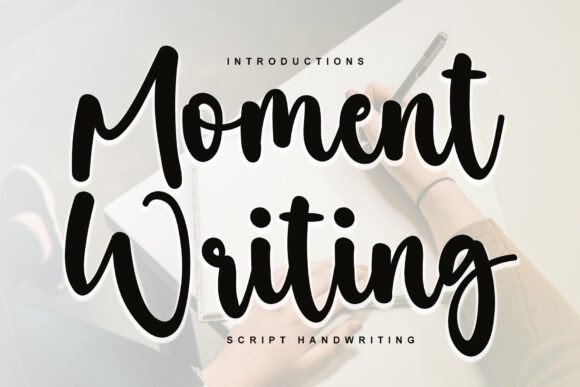
Imagine a font that doesn't just present words, but tells a story. In the crowded landscape of digital design, where sterile sans-serifs and predictable serifs dominate, finding a typeface with genuine personality is like striking gold. This is precisely the space occupied by Moment Writing, a stylish and modern handwritten font that injects immediate warmth and authenticity into any visual project. It’s more than just letterforms; it’s a design asset crafted to evoke happiness and connection.
More Than Just a Pretty Script
Moment Writing stands out in the realm of typography due to its thoughtful balance. It avoids the pitfalls of overly casual or illegible scripts. Instead, it offers a clean, contemporary aesthetic that feels both personal and professional. Its smooth curves and deliberate flow make it incredibly versatile. Crucially, it is PUA encoded. For the uninitiated, this means every stylistic alternate, ligature, and unique glyph is fully accessible, even in basic design software. This opens a vast playground for customization, allowing designers to craft truly unique wordmarks and headlines without technical limitations.
Practical Applications Across Creative Projects
The true measure of a creative asset is its utility. Moment Writing proves its worth across a wide spectrum of applications, seamlessly integrating into diverse design workflows.
- Branding and Logo Design: A logo is the cornerstone of brand identity. Using Moment Writing for a wordmark or a complementary tagline can instantly convey approachability, creativity, and care. It’s perfect for lifestyle brands, artisanal products, boutique studios, and any business that values a human touch.
- Marketing Materials and Social Media Graphics: In digital marketing, capturing attention is paramount. This font excels in creating engaging social media graphics, email headers, and promotional posters. Its handwritten style feels native to platforms like Instagram and Pinterest, boosting relatability and user engagement.
- Packaging and Editorial Design: On physical products, typography must communicate on multiple levels. Moment Writing adds a layer of craftsmanship to packaging design, making products feel special and considered. Similarly, in editorial layouts for magazines or blogs, it can be used for pull quotes or section headers to break up text and guide the reader’s eye.
- Web and UI Design: While body text requires high readability, strategic use of a handwritten font in UI design can enhance the user experience. Consider it for call-to-action buttons, testimonial quotes, or welcome messages on a landing page to create a friendly, conversational tone.
Integrating Moment Writing into Your Design System
Effective use of any distinctive typeface requires thoughtful implementation. Here are practical tips for incorporating Moment Writing into your projects:
- Establish Visual Hierarchy: Use it intentionally for headlines, subheadings, or accent text. Pair it with a clean, neutral sans-serif for body copy to ensure readability and a balanced visual hierarchy.
- Consider the Context: Align its use with your audience expectations and project goals. It’s brilliant for a coffee shop’s menu but might be less suitable for a corporate legal firm’s annual report.
- Test for Scalability: Always check how the font performs at various sizes, from a tiny favicon to a large-scale print banner, to ensure it maintains its charm and clarity.
- Leverage Its Features: Don’t just type. Explore the stylistic alternates and ligatures. Swapping a standard ‘g’ for a more expressive alternate can transform the entire feel of a word, adding a custom, bespoke quality to your creative projects.
In an era where authenticity drives connection, the tools we choose matter profoundly. Thoughtful typography is a silent ambassador for a brand’s values and personality. By selecting a resource like Moment Writing, you’re not just choosing a font; you’re investing in a storytelling tool. It empowers designers, marketers, and creators to move beyond generic communication and craft visuals that resonate on a human level, ultimately strengthening brand identity and elevating the entire aesthetic of a project.